In 2026, AI in advertising stopped being a novelty and became a test of judgment. The same tools earned some brands attention in the most expensive ad slot on the planet and forced others to pull a campaign within days and admit a mistake. The difference was rarely the technology. It was where AI was used, and what the audience was supposed to feel.
Below are four cases from the past twelve months, the pattern behind them, and what a small or mid-sized business can realistically copy before the end of this quarter, right as holiday campaigns are being planned.
1. McDonald's Netherlands: when AI replaces warmth
In December 2025, McDonald's in the Netherlands released a 45-second Christmas spot titled "the most terrible time of the year", built from AI-generated scenes of holiday chaos. The online reaction was harsh enough that the ad was pulled (NBC News). Viewers called the visuals soulless and eerie (TechRadar), and the company described the episode as an "important learning" in its use of AI (Newsweek).
The concept itself was defensible. A tongue-in-cheek take on holiday stress is a perfectly good creative idea. The failure was in execution and timing: in the one season when people expect warmth from brands, they got imagery that looked cheap and artificial. A production saving turned into a reputational cost.
2. Valentino and Coca-Cola: luxury and nostalgia don't tolerate "almost right"
In late 2025, Valentino ran a fully AI-generated campaign for a handbag, and the BBC reported criticism calling the ads "disturbing" (McGraw Hill case summary). Coca-Cola's AI-generated Christmas commercial met a similar response, with viewers sensing something was off in the imagery. Writing in August 2026, Yahoo Finance argued that human-made work is becoming the new luxury, citing DoubleVerify's 2026 research showing consumers react strongly to the quality of AI content, and that poor execution leads them to question a brand's authenticity and even its product quality.
The lesson: the highest price is paid by brands whose value lies in craft (luxury) or emotion (nostalgia, holidays). The more your customers care that a human made the thing, the bigger the risk of letting a machine make the ad.
3. Svedka at the Super Bowl: AI as the concept, not the shortcut
At Super Bowl LX in February 2026, vodka brand Svedka aired what it described as the "first primarily AI-generated" Super Bowl ad (The Drum). The spot is full of robots and futuristic visuals, but the telling detail is elsewhere: the dance routine was picked from user submissions in a contest (The Hollywood Reporter).
Here AI wasn't pretending to be reality. Robots don't need to look human, so the AI aesthetic became part of the idea rather than a flaw for viewers to hunt down. And the human element, a real dance from real people, gave the campaign a shareable story. Artlist's breakdown notes that while some brands such as Pepsi Zero Sugar leaned openly into AI, many others used it quietly to reach a level of polish that would otherwise have been out of reach.
4. AI companies sell AI with human faces
The most revealing paradox of the year: the AI companies advertising at the same Super Bowl, from OpenAI and Anthropic to Amazon and Google, built their spots around people, aiming to put a human face on the technology (Variety). Anthropic also used its slot to take a direct shot at OpenAI (TechCrunch).
If the companies selling AI don't trust AI-generated people to build trust, that is a clear enough signal for everyone else.
The pattern behind what worked
- AI in production, people on screen. The strongest work used AI for speed, variation and finishing, not as a substitute for faces and feeling.
- AI as the concept only when the aesthetic fits. Robots, fantasy and sci-fi can carry an AI look. A family Christmas cannot.
- Proof of human craft. Marketplace reported in May that brands are hiring directors specifically to shoot behind-the-scenes content proving their ads were made by people (Girls With Impact).
The failures share a pattern too: AI replaced emotion, the result looked cheap, and the category was one where customers pay precisely for the human touch.
What you can realistically copy this quarter
You don't need a Super Bowl budget to apply these lessons. Here is what is achievable before year-end.
1. AI for variations, humans for faces
Use AI where it saves hours: ten versions of headlines and ad copy, translations for other language markets, subtitles, and resizing for Reels, Stories and YouTube. Then let Meta and Google test the variants. When creative and targeting are set up properly, small budgets perform: for Academy Residences we generated 23 enquiries for €49, with 55,000 unique reach in 28 days.
2. A holiday campaign with real people
The McDonald's lesson applies directly in December. Film your team, your premises, your customers. A short, honestly shot spot from proper video production will outperform a slick AI spot that audiences see through in seconds.
3. One shoot, ten formats
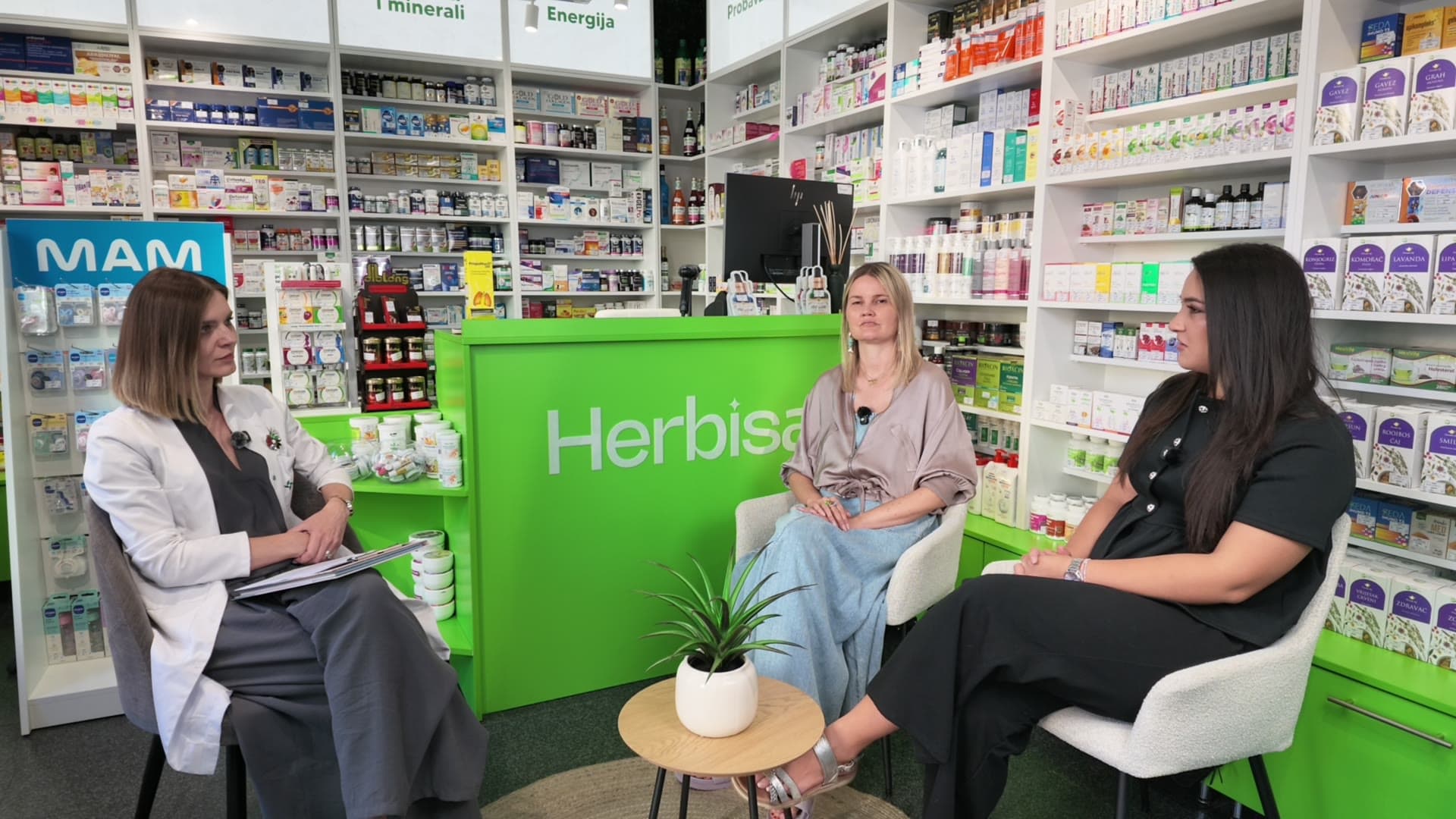
The biggest AI savings today are not in generating images but in editing and repurposing. One hour of conversation becomes a dozen clips, a transcript, a blog post and a newsletter. The Herbisa Podcast shows how far this goes: four episodes recorded inside a herbal pharmacy drew more than 5 million organic views across social media. People watched real experts in a real space, not avatars. We build that kind of pipeline through content production.
4. Show how the work gets made
If global brands are paying directors to prove human craft, you can do it for almost nothing: stories from the set, short making-of clips, the faces of people who build your product. It is cheap content that builds trust and slots easily into a social media management plan.
5. Write a one-page AI policy
Define what can be AI: research, drafts, copy variations, subtitles, backgrounds. Define what cannot: customer faces, fabricated reviews, and product images that look better than the real thing. That last point is not only about taste; it is a direct route to disappointed customers.
6. Watch the new ad surfaces, without rushing
Ads in ChatGPT launched in Germany in September (CURE Intelligence), and OpenAI is testing a format where a click opens a branded chat with the advertiser (JumpFly, citing Digiday). Worth tracking if you sell into those markets. For most businesses, this quarter's priority is simpler: clear, accurate content on your own website, because AI assistants draw on it as a source.
| Copy this quarter | Avoid |
|---|---|
| AI for copy, translation, subtitles and formats | AI-generated people in emotional campaigns |
| Your real team and customers on camera | Spots that look "almost" real |
| One shoot turned into dozens of posts | Product images that don't match reality |
| Behind-the-scenes content | AI as the campaign's only selling point |
| Testing multiple ad variants | Campaigns with no clear success metric |
The bottom line
AI in 2026 doesn't reward the brands that use it most. It rewards the ones that use it in the right place. Let the machine work fast and out of sight, and let people be what your audience sees and remembers.
If you want to know where your brand stands today and where AI would genuinely save you time and money, run our free AI brand analysis or book a short call with us to plan your holiday season.